Sean Corp, Associate Director of Communications
University of Michigan faculty and staff interested in creating online learning experiences, reaching new audiences, or building a broader portfolio of educational offerings can learn about opportunities and resources available at the 2026 Online Learning Showcase.
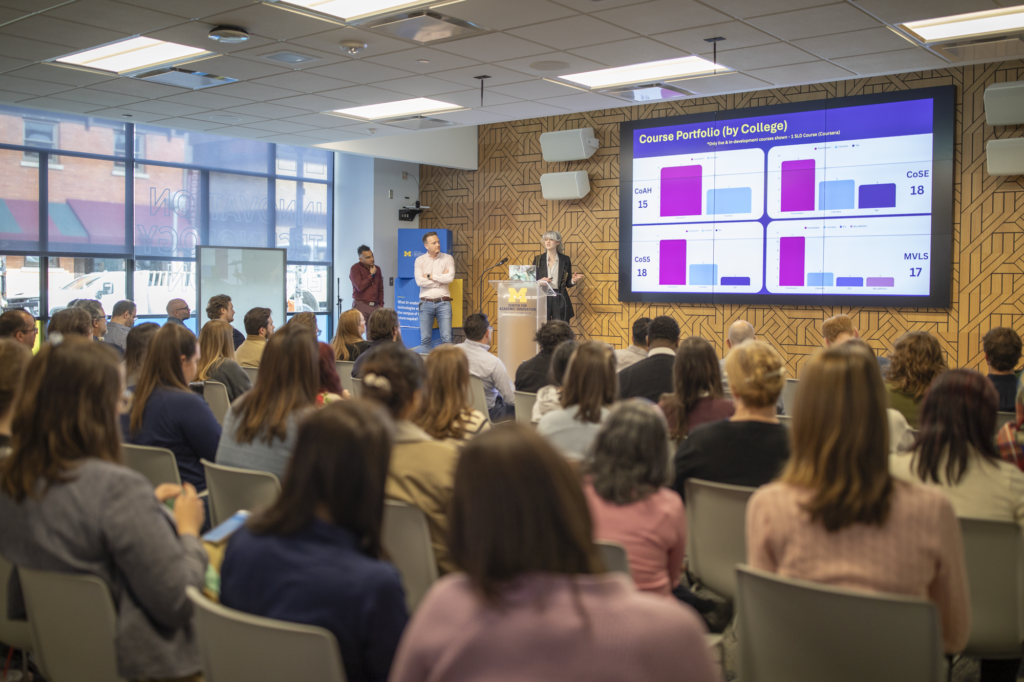
Hosted by the Center for Academic Innovation at 317 Maynard St., the showcase will bring together faculty, academic leaders, and staff to learn about developing online courses and programs, building portfolios of learning opportunities, and reaching learners around the world.
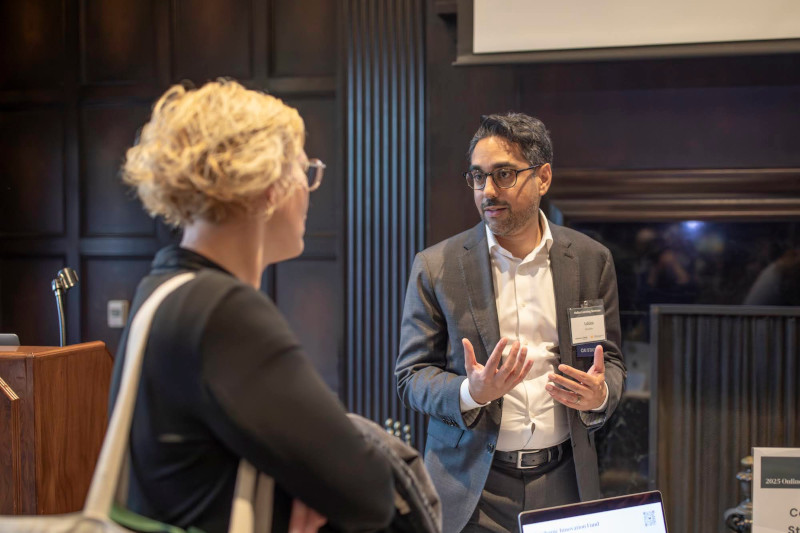
The event will feature two tracks focused on portfolio strategy and online learning design and development. A faculty roundtable will feature Monica Worline, lecturer and faculty director of the Center for Positive Organizations at Michigan Ross; and John Thompson, lecturer at Michigan Ross and the School of Information.

Sarah Dysart, the center’s chief learning officer, will moderate the discussion about the faculty members’ experiences developing online learning opportunities with the center.
“Online learning gives faculty and academic units more ways to connect Michigan expertise with learners whose goals, circumstances and educational needs may look very different,” Dysart said. “The showcase is an opportunity to see what those possibilities look like in practice and to talk with colleagues who have done this work.”
Faculty and staff can also learn about the center’s open calls for proposals on both non-credit and for-credit programs at the showcase.
Building portfolios for different learner needs
One showcase track, designed primarily for academic unit leaders and liaisons, will focus on building strategic portfolios of online learning opportunities.
Participants will examine how self-paced courses, non-credit certificates, and for-credit programs can work together to serve learners at different stages. The track will also highlight Michigan Online and Campus Hubs, which allow schools, colleges, and units to curate learning opportunities around their areas of expertise and their own online learning opportunities.
The center’s Education Solutions team will discuss how it works with organizations to identify customized learning opportunities for workforce and community needs.
Supporting faculty from idea to launch
A second track will focus on faculty interested in developing an online learning experience. Participants will learn how an idea moves from proposal through design, development, launch, and ongoing course operations.
The track will also examine how faculty can adapt existing content for new audiences. Elements of a for-credit course, for example, might become a non-credit learning experience available to global learners.
“Faculty bring the subject-matter expertise, and our teams help them think through how that expertise translates into an effective online experience,” Dysart said.
“You don’t have to arrive with a fully formed course. We can work with you to identify the right format, design the learning experience and develop media and other resources that support their goals.”
The course development process provides faculty access to collaborators at the center, including learning experience designers, media production specialists, and other center staff.
The showcase is designed to give attendees a clearer view of the possibilities for online education at U-M, whether they arrive with a specific course idea, questions about their unit’s portfolio, or an interest in reaching new learners.
Through Michigan Online and U-M’s growing portfolio of online programs, those opportunities can extend Michigan learning to lifelong learners around the world.
The Online Learning Showcase is part of the Center for Academic Innovation’s broader 2026–27 event series exploring the future of higher education. Together with the AI Futures keynote speaker series, the Generative AI Faculty Forums, and the Innovation Blend series, the collection of opportunities provides faculty with an ongoing opportunity to exchange ideas, reflect on emerging technologies, and help shape the future of teaching and learning at the university.